

Kale cups
The Kale cups grew out of an attempt to rethink our everyday relationship with a plant that is usually seen only as food. Why is kale valued only as something to consume? Why can't food become “food for the eyes”?
In porcelain, kale loses its everyday purpose and becomes a sign of fragility, memory and survival. A cup is usually something we drink from. Here it becomes a space for contemplation instead. The cups were shown at PUODUKAS, the 5th International Exhibition of Small Ceramic Forms in Vilnius.
The other porcelain vessels invite us to see plants as independent forms of life rather than things to consume. They are a quiet attempt to preserve the fragile beauty of nature and let it speak in the language of porcelain, light and memory.
Bone china, porcelain2025
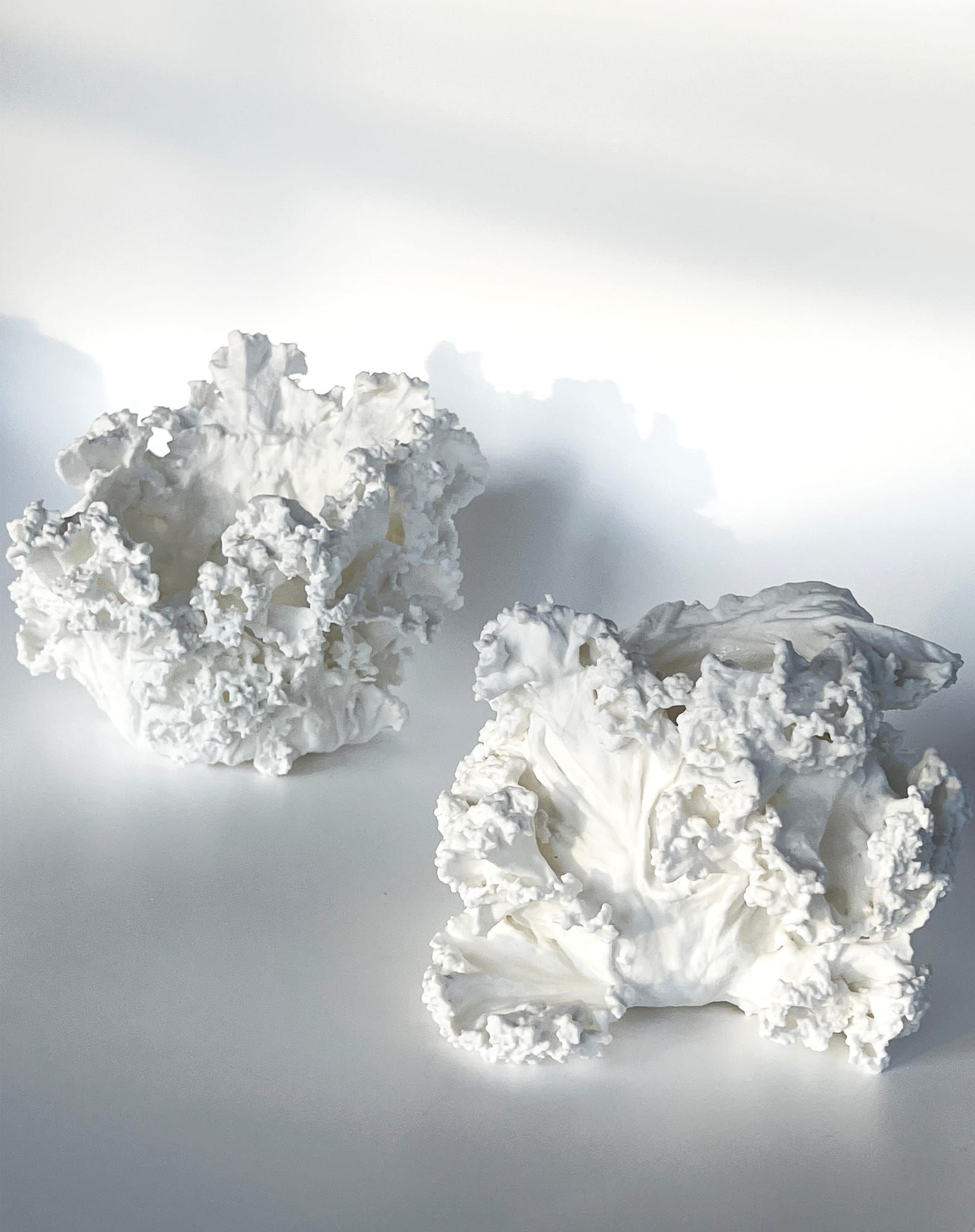
Kale cups
Kale cupsBone china2025Photo: Diana GrochovskaAsk about this piece 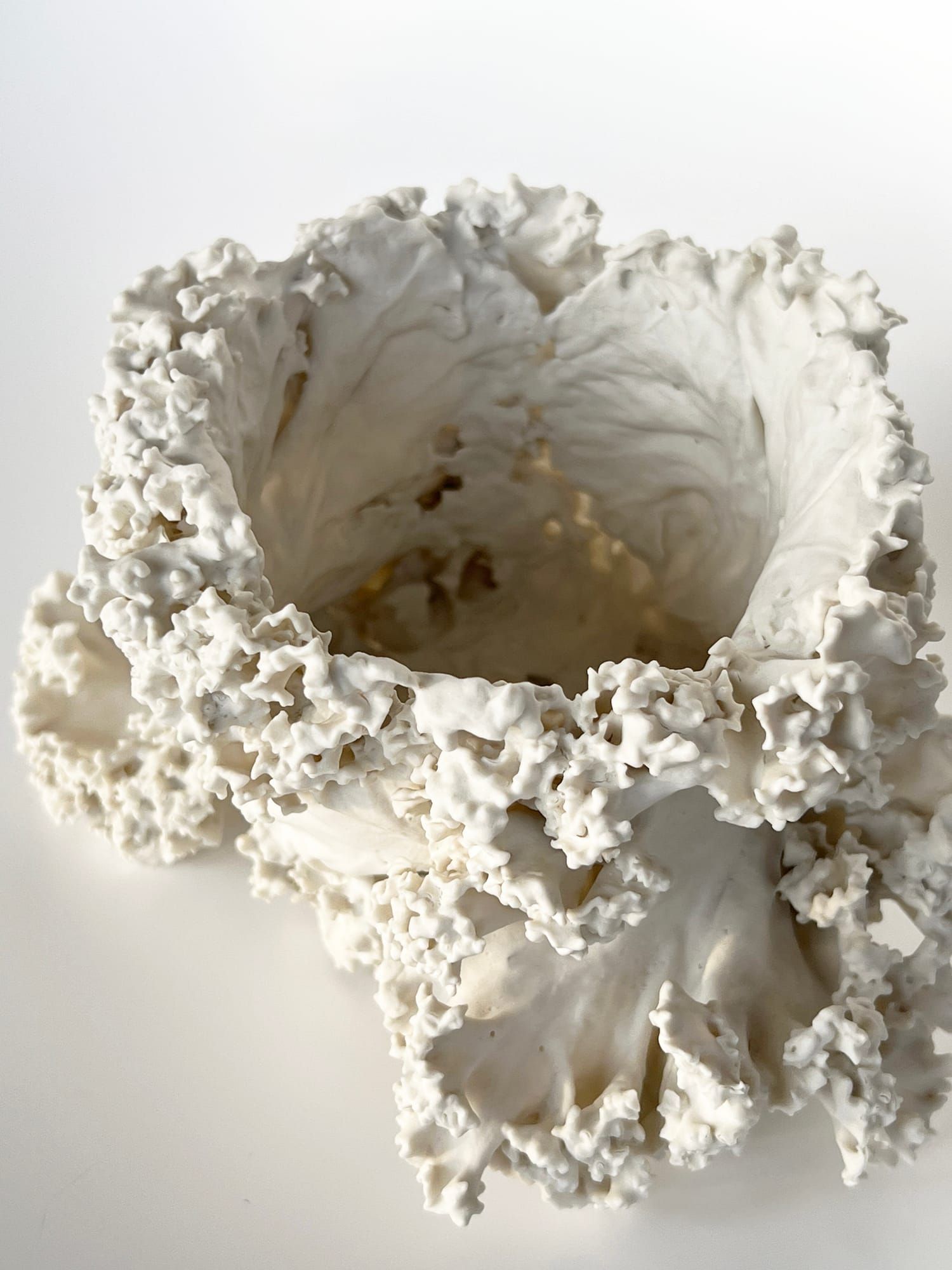
Kale cup No. 1
Kale cup No. 1Bone china2025Photo: Diana GrochovskaAsk about this piece 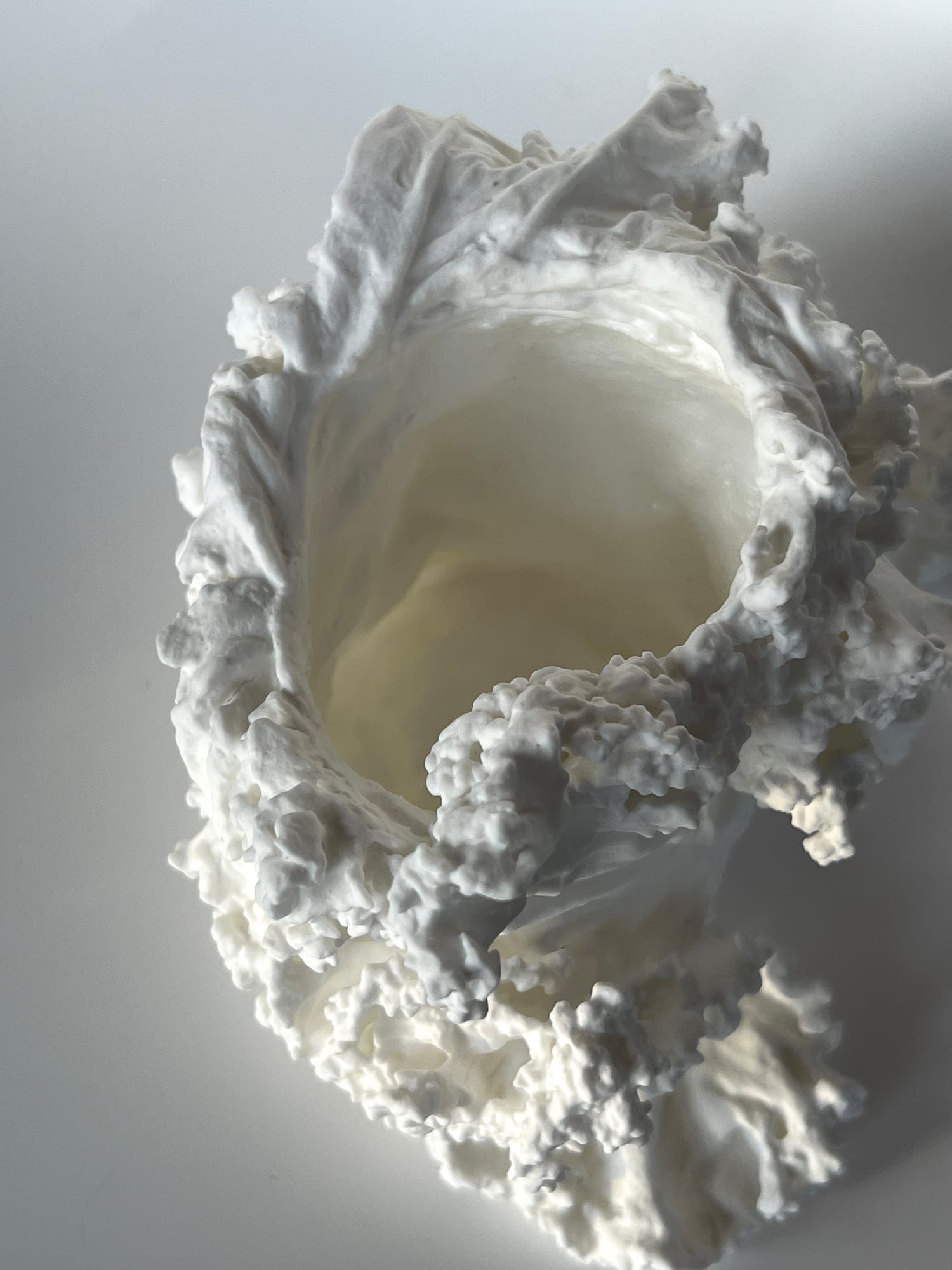
Kale cup No. 2
Kale cup No. 2Bone china2025Photo: Diana GrochovskaAsk about this piece 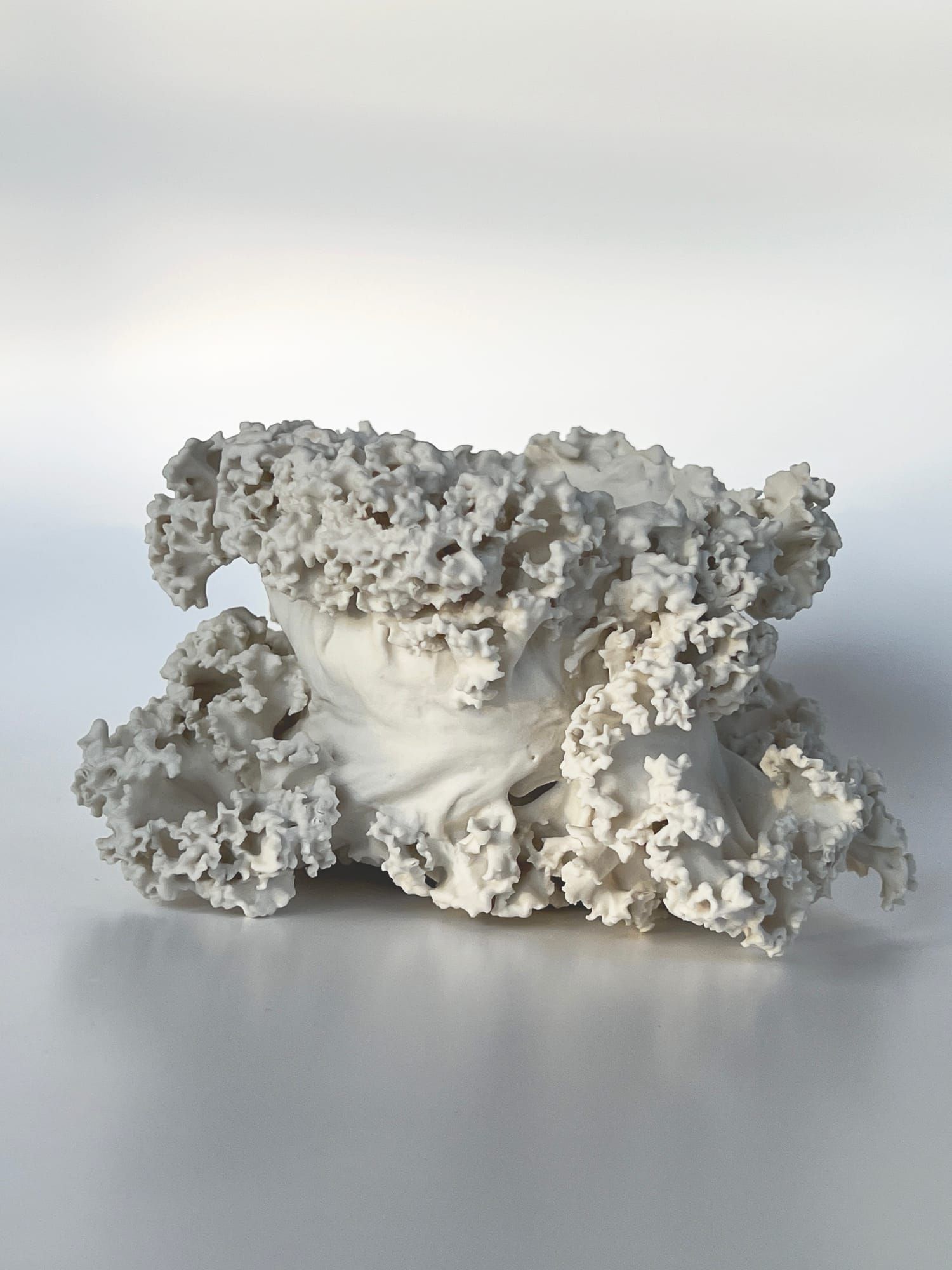
Kale cup No. 3
Kale cup No. 3Bone china2025Photo: Diana GrochovskaAsk about this piece 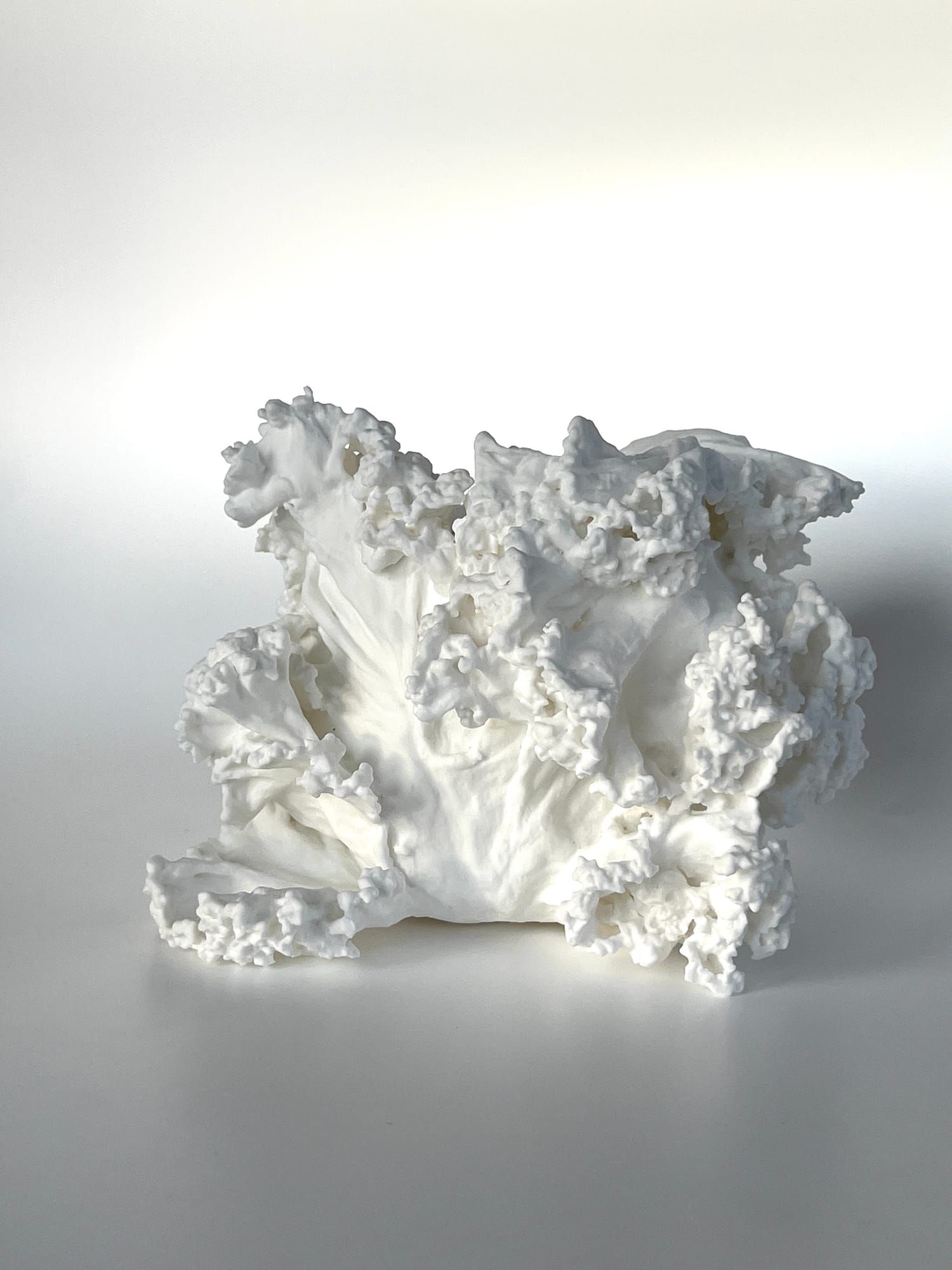
Kale cup No. 4
Kale cup No. 4Bone china2025Photo: Diana GrochovskaAsk about this piece 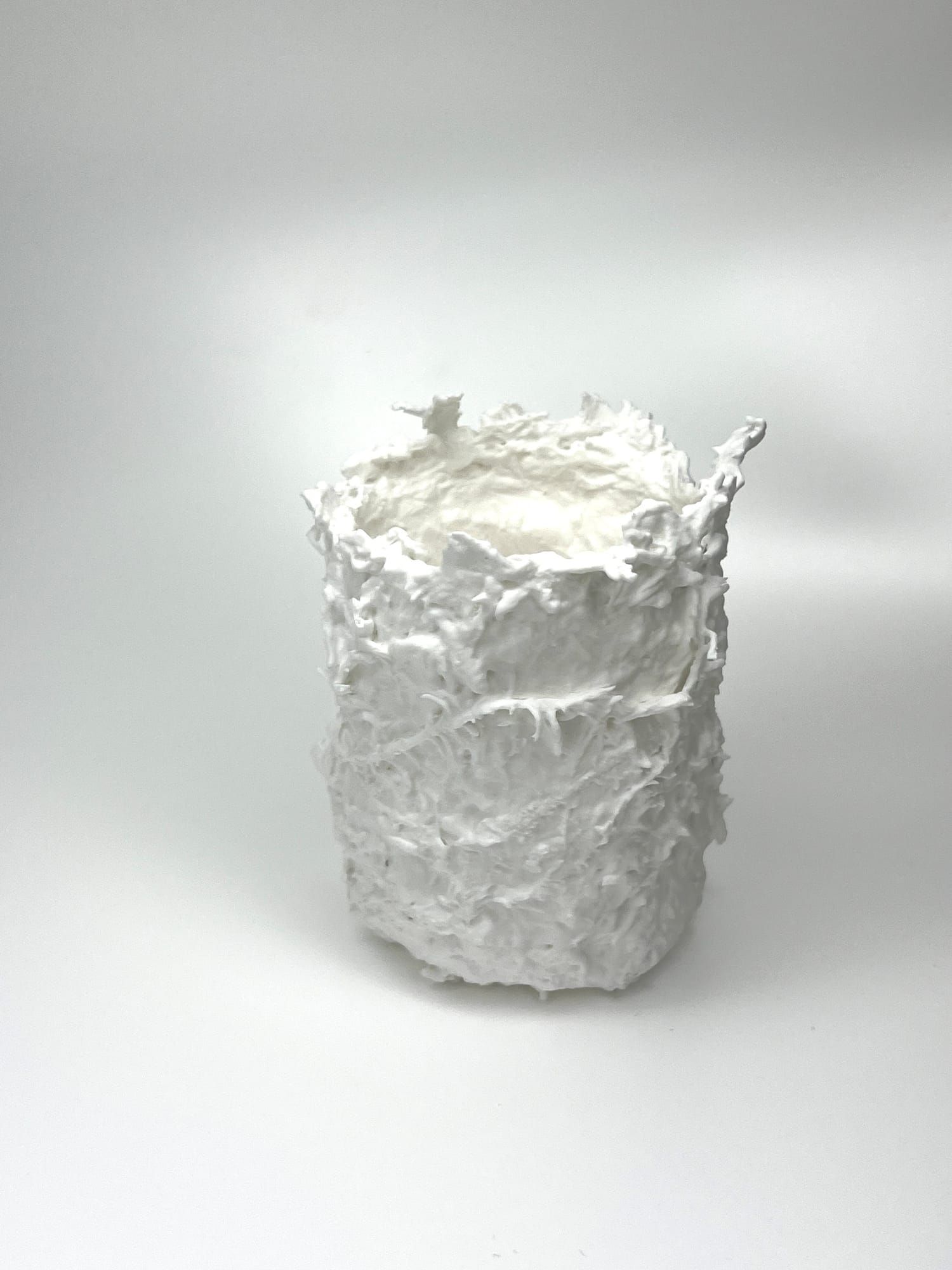
Quiet forest vessel
Quiet forest vesselPorcelain15 x 8 cm, 2025Photo: Diana GrochovskaAsk about this piece 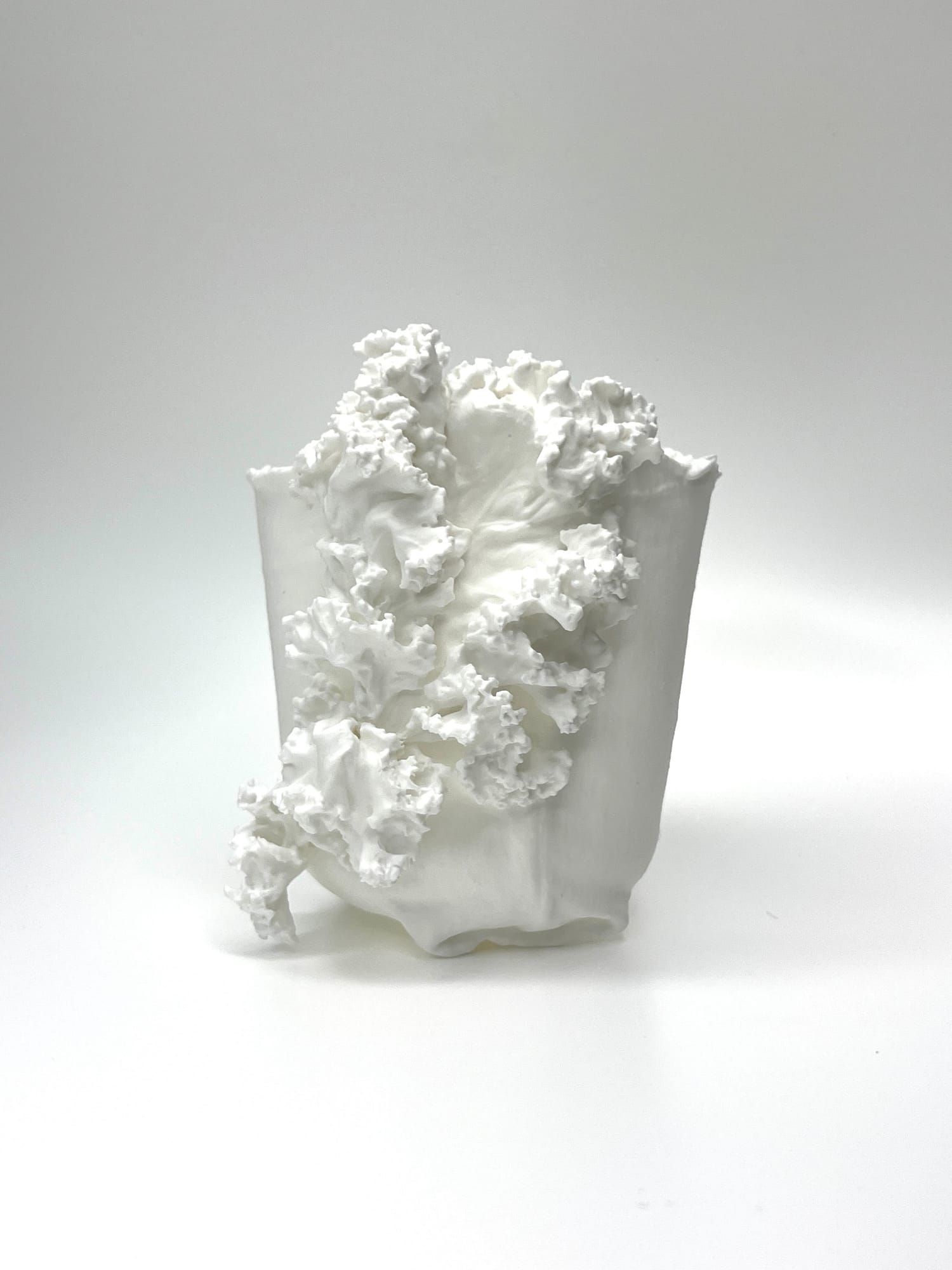
Eternal leaf
Eternal leafPorcelain14 x 9 cm, 2025Photo: Diana GrochovskaAsk about this piece 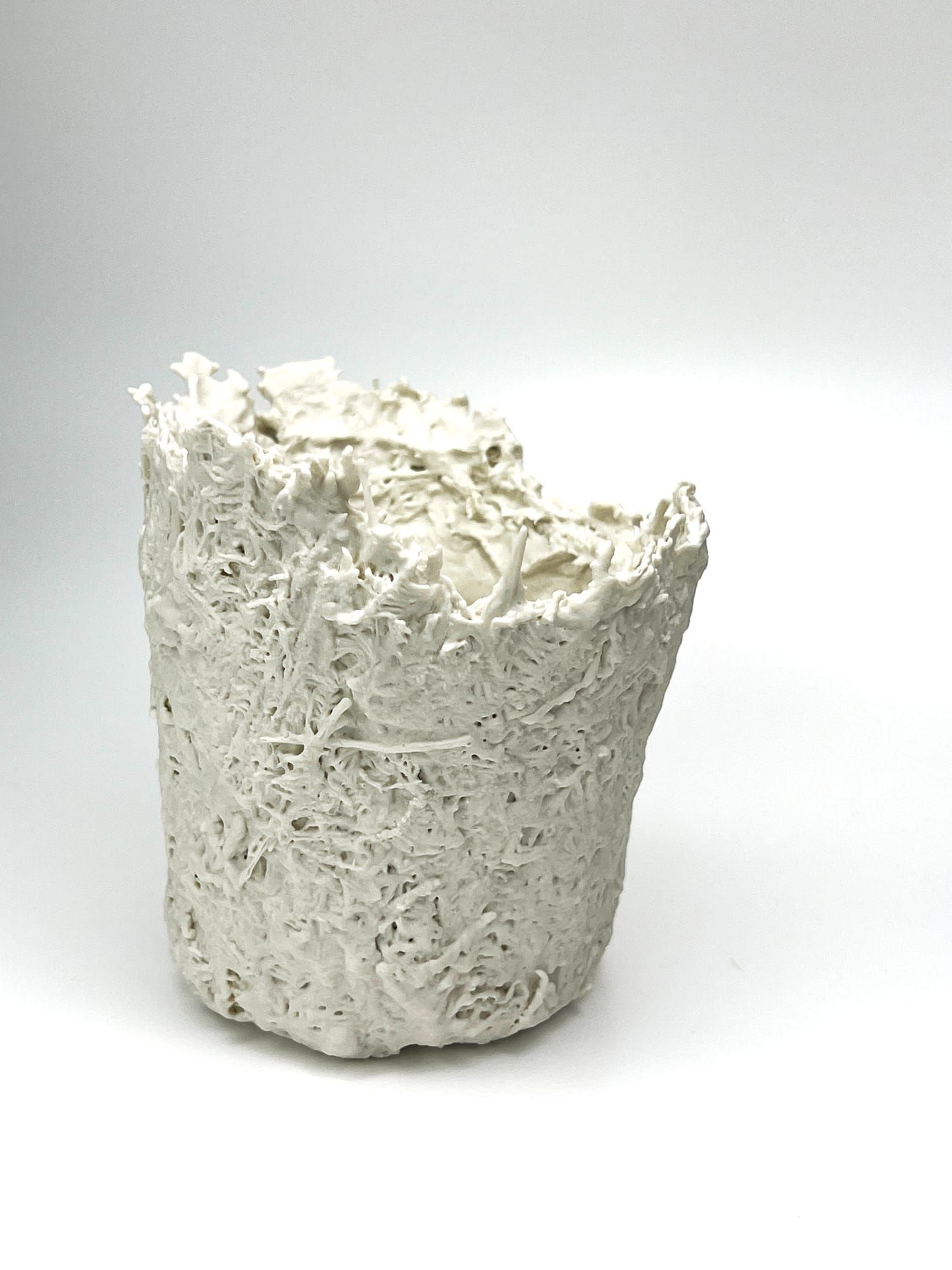
Traces of moss
Traces of mossPorcelain15 x 10 cm, 2025Photo: Diana GrochovskaAsk about this piece 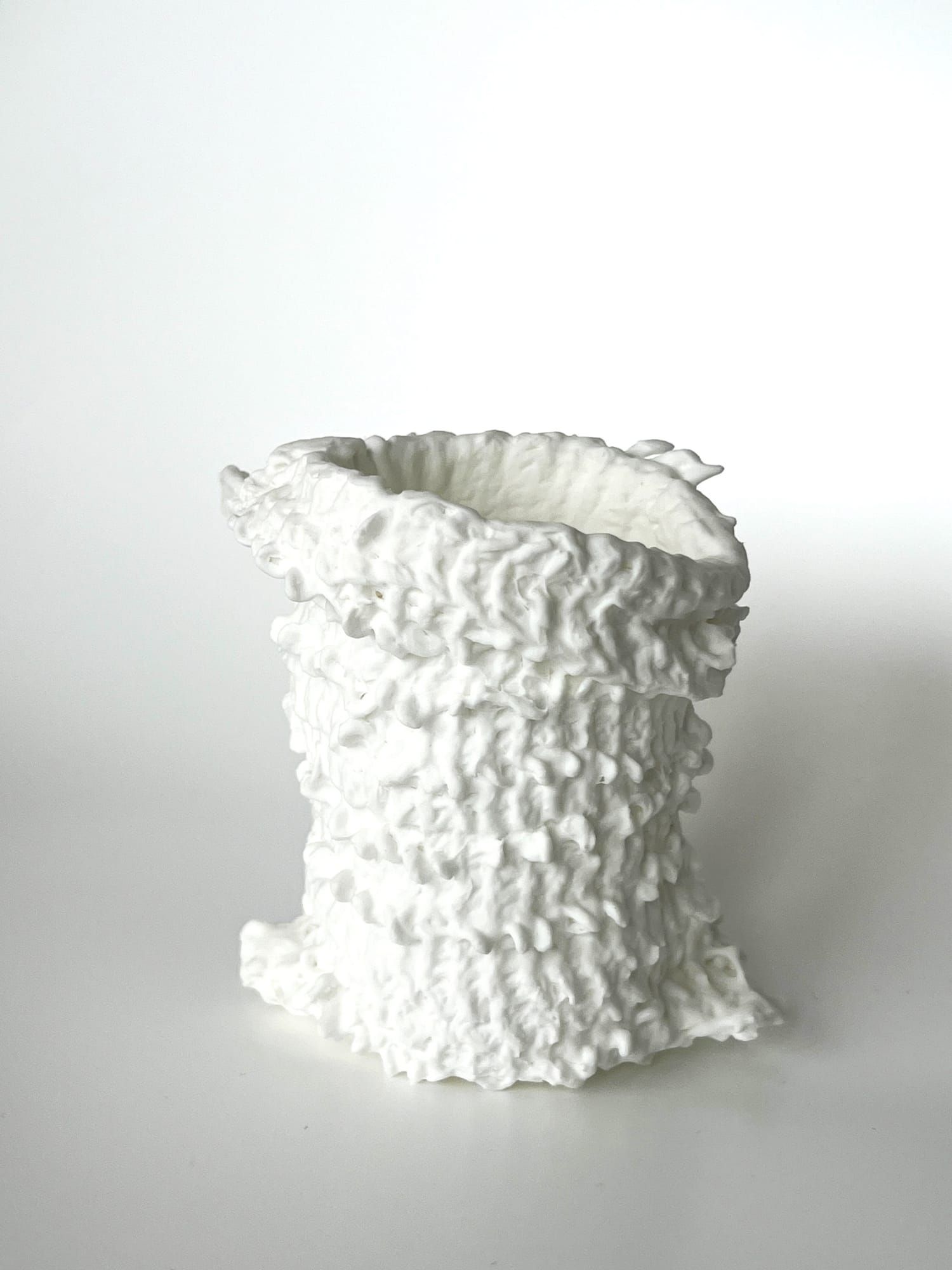
Uncomfortable bag
Uncomfortable bagPorcelain10 x 6 cm, 2025Photo: Diana GrochovskaAsk about this piece


Photos: Diana Grochovska